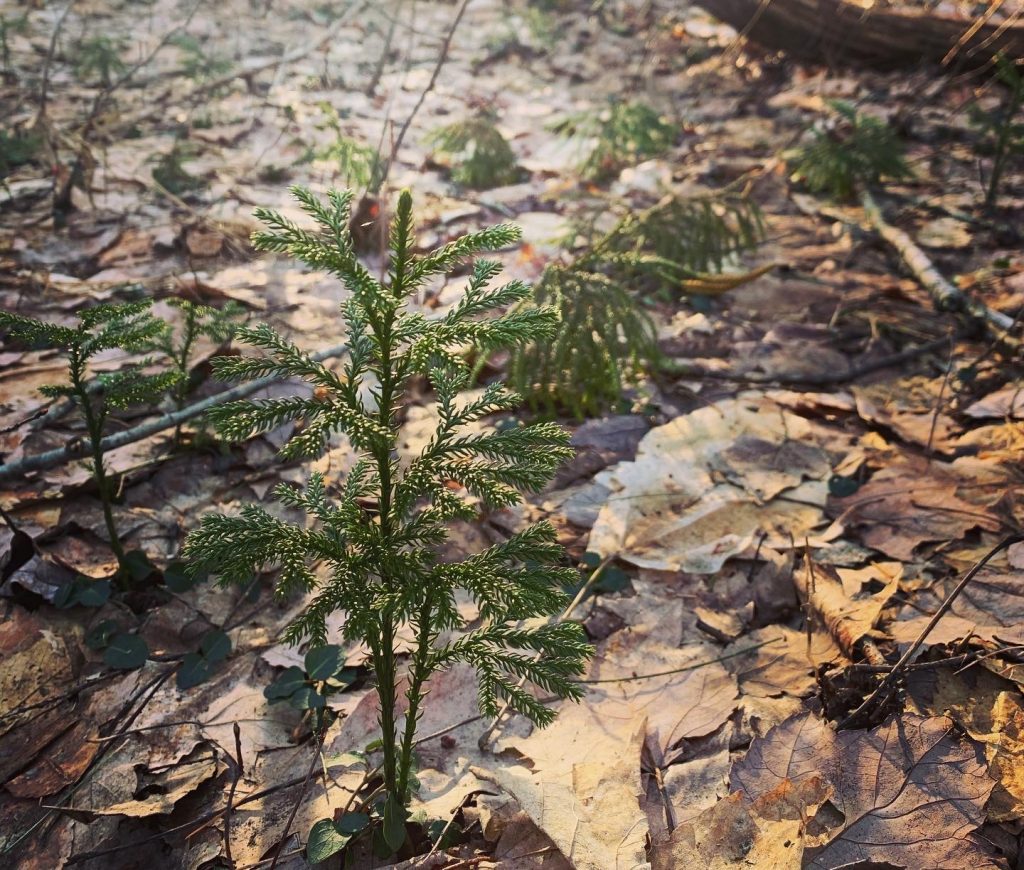
Tiny trees or ancient plant?
Contrary to popular belief, these are not tiny pine trees. Their common names of princess pine, ground pine, and groundcedar lead you to believe they are. However, they are part
Tiny trees or ancient plant? Read More »
Contrary to popular belief, these are not tiny pine trees. Their common names of princess pine, ground pine, and groundcedar lead you to believe they are. However, they are part
Tiny trees or ancient plant? Read More »
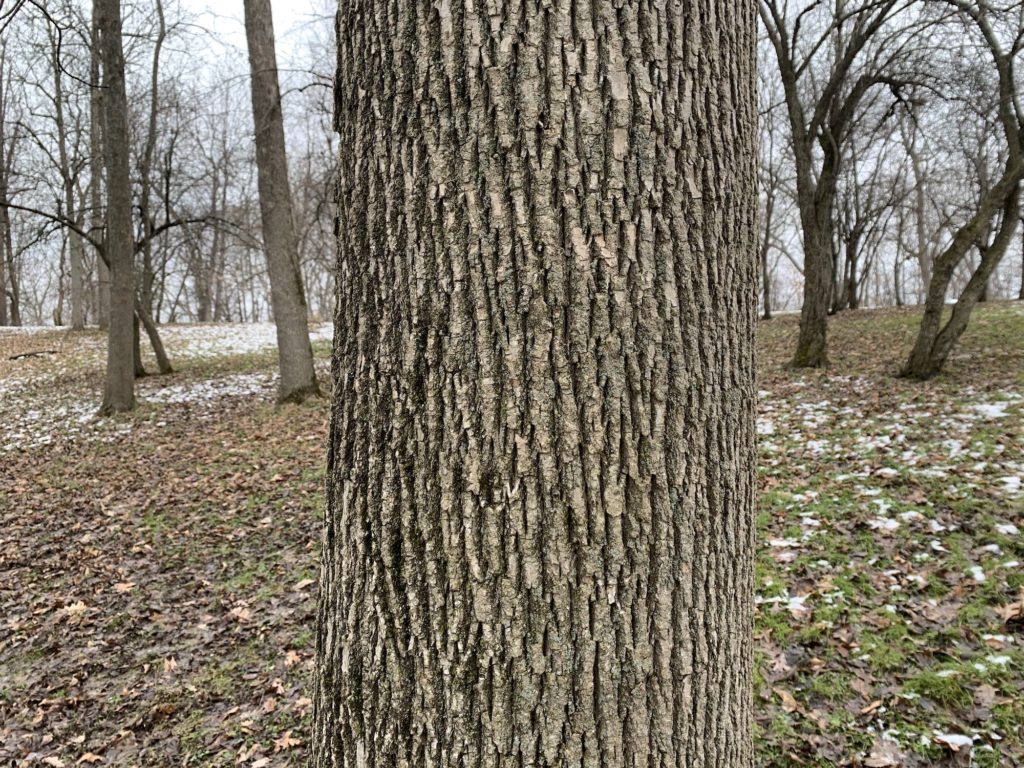
Scots Pine (Pinus sylvestris), also referred to as a Scotch Pine, is an evergreen conifer, native to northern Europe and northern Asia, from Scotland to Siberia. It has a crooked
Tree Tuesday: Scots Pine Read More »
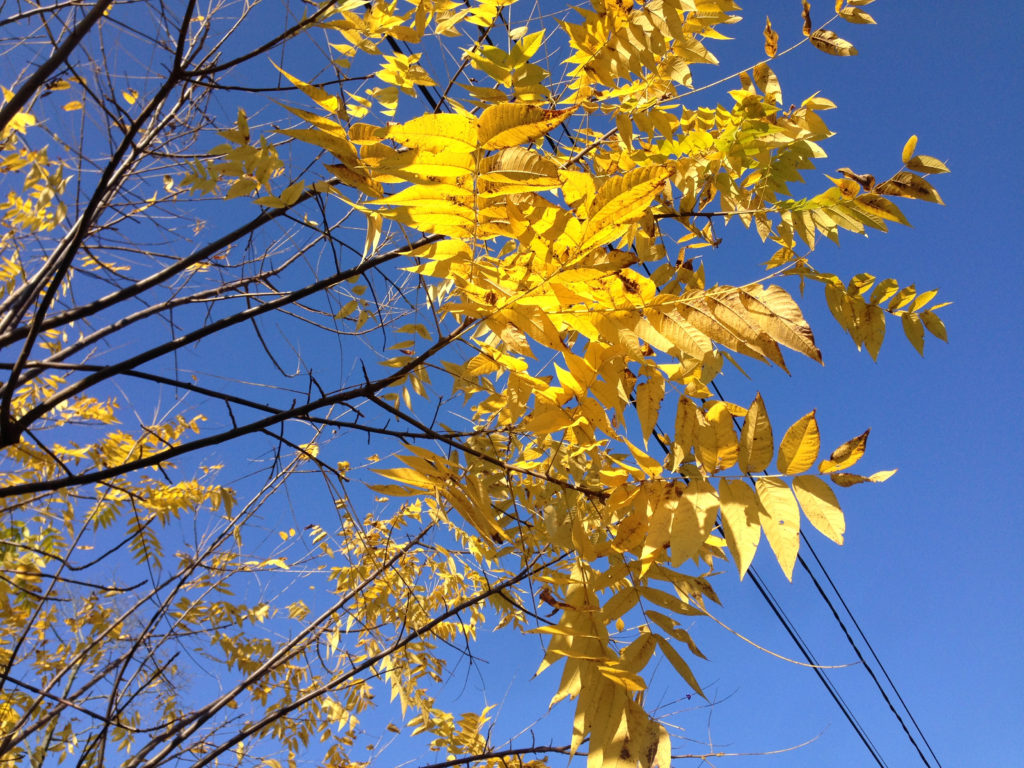
White ash (Fraxinus americana) grows over most of eastern North America but has been declining for several years due to multiple environmental and insect threats. Ash decline (or “ash dieback”
Tree Tuesday: White Ash Read More »
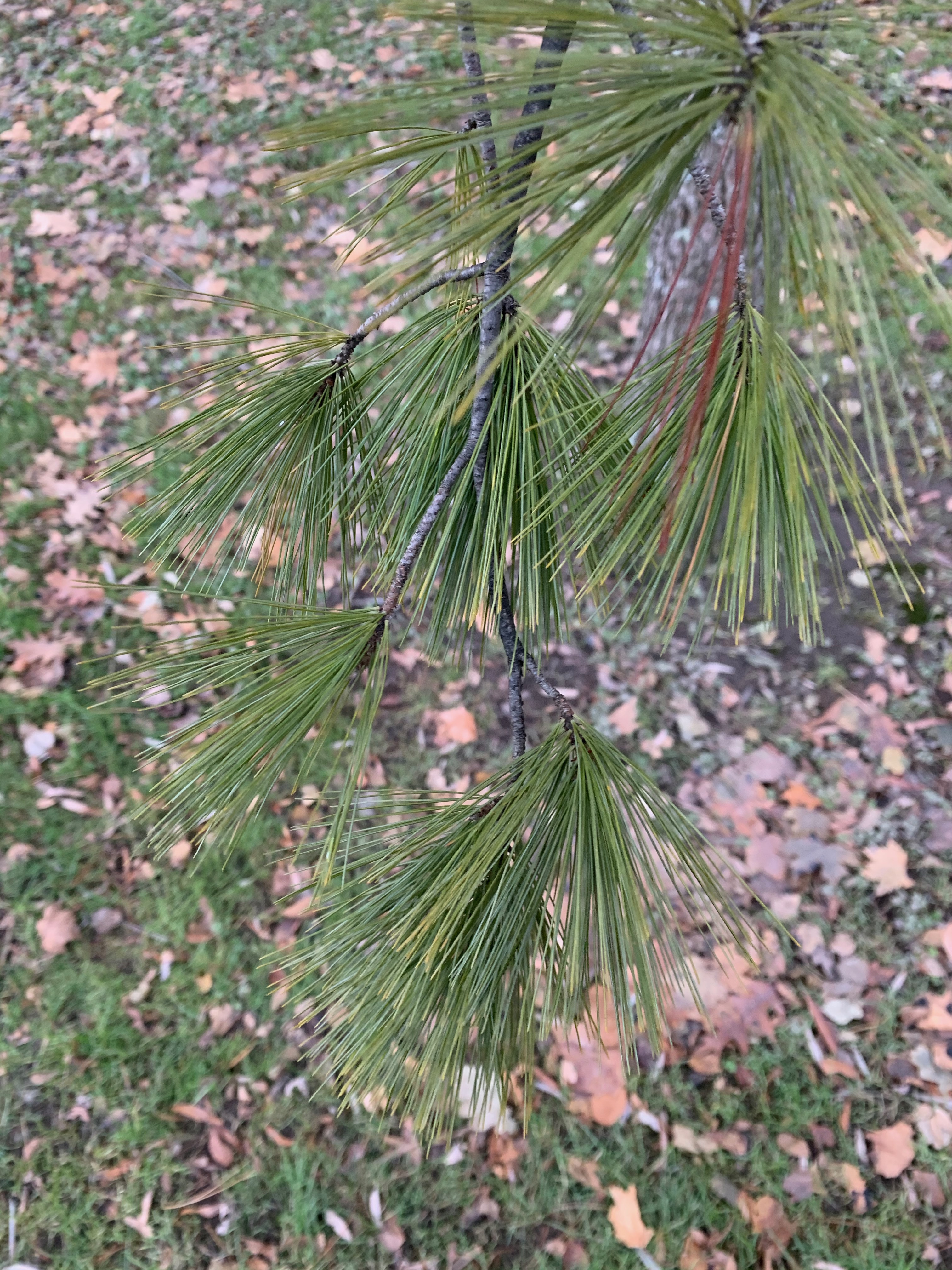
The Eastern white pine (Pinus strobus), is a rapid-growing, long-lived, needled evergreen tree that is native to the northeastern United States and Canada. It is able to grow for 200
Tree Tuesday: Eastern White Pine Read More »
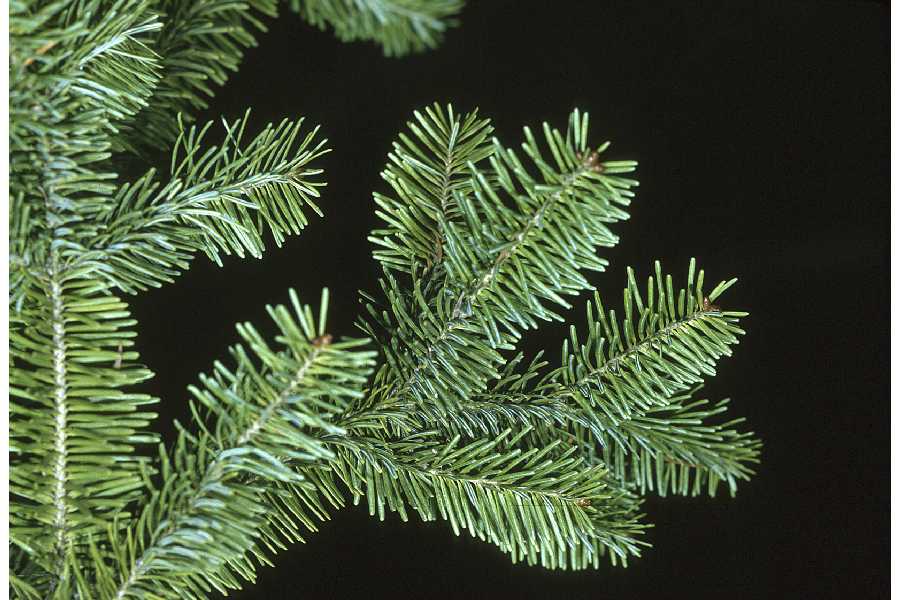
The Balsam Fir (Abies balsamea) has been known as the Christmas tree for more than 250 years. It is one of the few types of Christmas trees native to the
Tree Tuesday: Balsam Fir Read More »
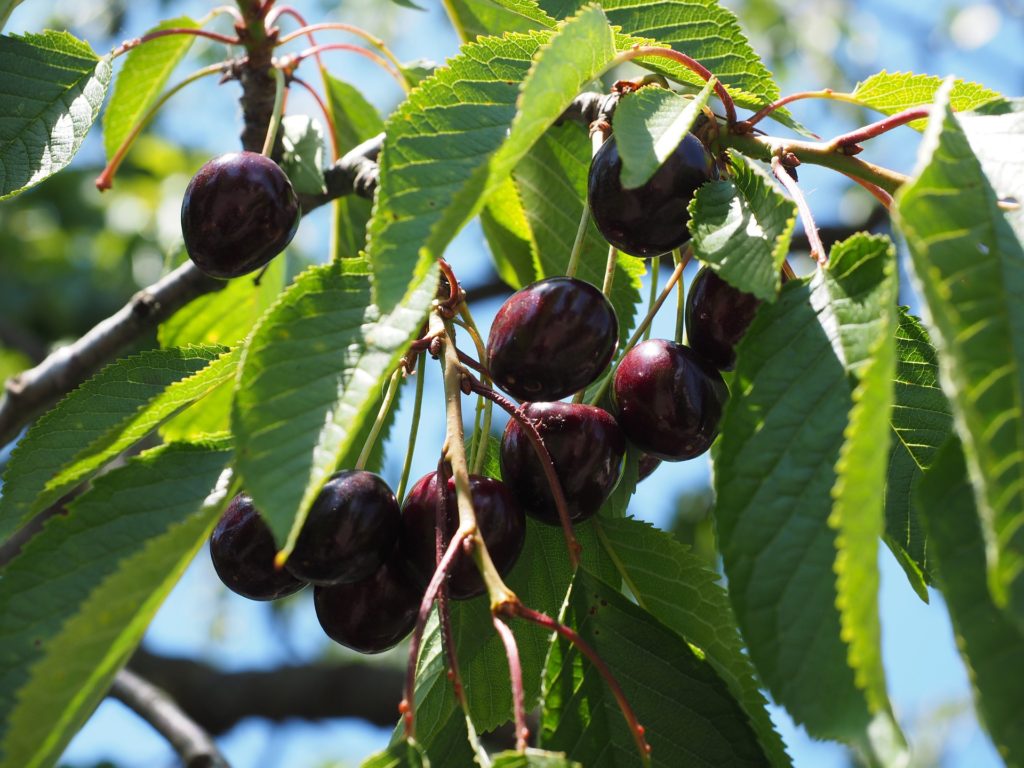
Black cherry (Prunus serotina) wood is a rich reddish-brown color and is strong, hard, and close-grained – one of the most valued cabinet and furniture woods. The leaves, twigs, bark,
Tree Tuesday: Black Cherry Read More »
The American Black Walnut is one of the most valuable commercial hardwood species in NYS. The easily worked, close-grained wood of the black walnut has long been prized by furniture
Tree Tuesday: Black Walnut Read More »
Native Americans and settlers used the fibrous inner bark (“bast”) as a source of fiber for rope, mats, fish nets, and baskets. Basswood is still valued for its soft, light,
Tree Tuesday: American Basswood Read More »
HONEY LOCUST Widely planted as a hardy and fast growing ornamental. It is often used in extreme urban stress areas such as parking lot islands and sidewalk tree squares and
Tree Tuesday: Honey Locust with a BONUS non-native Ginkgo Tree Read More »
Everyone can recognize that classic shape. After all, we see it so much from our friends to the north. But can you distinguish between the 4 common species we see
Tree Tuesday: The Maple Tree Read More »